AI App Builder - Ship Your Bolt, Lovable, Replit, or Emergent Project as a Native Mobile App
The AI app builder alternative for teams that need to ship a real native mobile app, not a web prototype, is Swiftspeed. Bolt, Lovable, Replit, Emergent, and v0 are world-class at generating a working web app from a prompt. None of them produce a native iOS or Android binary you can submit to the App Store. Swiftspeed compiles real native apps and handles App Store and Google Play submission, with 90+ business features built in (event ticketing, ewallet, loyalty, AI app builder, fitness, church, sell-online commerce). Pro is $15 a month and Business is $29 during the active 50% off launch promo, with the discount forever-locked at signup.
Generative AI app builders had a real breakout in 2024 and 2025. Bolt, Lovable, Replit, Emergent, and v0 turned a prompt into a working full-stack web app in minutes, and they keep improving. If your goal is a working prototype, a customer demo, or a marketing landing page, you can ship one this afternoon with any of them.
The wall comes later. When the prototype is working and the next question is shipping a real native mobile app on the App Store and Google Play, with push notifications, in-app payments, App Store reviewer approval, and a binary that runs offline, none of these tools produce the artifact you need. They produce a web app. That is what they were built for. Swiftspeed is the AI app builder alternative for the second half of that journey.
Quick context: if you are still deciding whether to build a mobile app at all, start with our guide on how to create an app in 2026. If you already built something in Bolt or Lovable and want to know how to get it onto a phone, this article is the right place.
I am Claude, an AI assistant from Anthropic. Swiftspeed asked me to write this comparison because Swiftspeed itself runs an AI app builder, and they wanted the authorship to be transparent. Every claim about pricing and features in this article was verified by a human at Swiftspeed before publication. Where I do not have current information on a specific tool, I will say so.
Why teams look for an AI app builder alternative
Three patterns keep showing up. The first is the prototype-to-product gap. You used Bolt to ship an MVP in a weekend, got real users, and now you need a native mobile app because your users keep asking for one. The second is the App Store gate. You can deploy a Lovable or Replit project to a web URL trivially, but Apple and Google reviewers have stricter standards than they did five years ago, and a web wrapper rarely passes review. The third is feature depth. Modern business apps need event ticketing, ewallet, loyalty, push notifications, sell-online commerce, fitness flows, and similar verticals out of the box. Generating those from scratch with a code-generation tool every time is not a winning strategy, and not how teams ship real products.
The AI app builder alternative most teams end up wanting is one that takes the speed-of-prompting model the AI tools introduced, adds native build pipelines, adds first-party business features, and adds managed app store submission. That is the gap Swiftspeed sits in.
Figure 1. Where the AI wave stops, and where Swiftspeed continues.
Bolt.new: great prototype, no native build
Bolt.new (from StackBlitz) generates a working full-stack web app inside the browser. The output runs on WebContainers and deploys to Netlify or similar with one click. For a web product, a marketing demo, or an internal tool, the experience is among the best on the market right now.
What Bolt does not produce is a native iOS or Android binary. You cannot submit a Bolt deploy to App Store Connect or Google Play Console directly. You can wrap it, but a wrapped web view rarely passes Apple review on its own merits, and the user experience tells on it the moment a user opens a native app and gets a website inside a shell. If your business case requires a real native app, Bolt is the wrong end of the pipeline.
The Swiftspeed model: describe your business to Swiftspeed's AI app builder, pick the features you actually need (event ticketing, ewallet, loyalty, booking, sell-online), let it produce a configured app, then ship a real native binary through the managed App Store and Google Play pipeline. The first day looks similar to Bolt. The output is fundamentally different.
Lovable: great frontend, no app store path
Lovable generates React apps from prompts, with a strong design instinct and clean component output. For a marketing site, a SaaS dashboard, or a frontend prototype where the design quality matters, Lovable does work that often passes for the output of a small product team.
The constraint is the same as Bolt. The result is a web app. There is no App Store submission, no native push notification service, no Apple developer certificate flow, no Play Console listing. The Lovable alternative for shipping a real mobile product is a builder that produces native binaries and handles the publishing flow end to end. Swiftspeed compiles iOS and Android binaries through Capacitor, manages the submission, and handles rejections with the App Store reviewers when they happen. The output is a real app, not a hosted website.
Replit: great IDE, not a publishing platform
Replit is a cloud IDE. The Agent product accelerates building and deploying within that IDE significantly. For teams that want a code-first workflow with AI assistance and same-day deployment to a Replit-hosted URL, it works well, and it has a real ecosystem.
The gap is the same shape: Replit gives you running code, not a published mobile app. There is no automatic native build pipeline that produces an iOS or Android binary signed with your developer certificates and submitted to the stores. You can do that work yourself if you have a mobile engineer on the team, but at that point you are not really using the no-code or low-code path anymore. The Replit alternative for teams that want shipped apps and not running code is a builder that owns the entire submission pipeline. That is what Swiftspeed does.
Emergent: same pattern, same gap
Emergent is in the same category of tool: an AI builder that produces working apps fast. The detail of the implementation differs from Bolt, Lovable, and Replit, but the structural limitation is the same. The output is a web app or web-deployable artifact. The App Store and Google Play submission, the native push notification flow, the app store screenshots, and the rejection-handling loop are not parts of the product.
The Emergent alternative for teams that need a real native mobile app on both stores is the same answer: a builder that handles the native build and the publishing end to end. Swiftspeed handles both, and adds first-class business verticals (event ticketing, ewallet, loyalty, fitness, church, sell-online commerce, booking) that you would otherwise have to assemble feature by feature.
v0 and the rest of the AI wave
v0 (from Vercel) generates React components and small interfaces from prompts. It is excellent at what it does and lives at a different point in the stack: it is a building block, not a finished app. The same structural gap applies. v0 output is not a native mobile app. For component generation, v0 is the right tool. For shipping the full product on iOS and Android, you need either a native engineering team or a builder like Swiftspeed.
What Swiftspeed actually does as the alternative
Three things sit between a prompt and an app users can install. Native build, business features, and store submission. Swiftspeed owns all three.
Native build. Real iOS and Android binaries compiled through Capacitor. Real Apple developer certificates, real Google Play signing keys, real .ipa and .aab files. The output is an app, not a website that someone has labeled as an app.
Business features built in. Event ticketing with QR scanning. Sell-online commerce with cart, checkout, and inventory. Ewallet with peer-to-peer transfers. Loyalty programs with points and tiers. Booking and appointments with Google Calendar sync. Fitness with workout plans. Church and Bible reader. Push notifications. Direct messaging. AI image upscaler. Each is a first-class feature inside the editor, not a plugin you assemble. The full list lives on the features page.
Managed app store submission. Swiftspeed handles the submission process: certificates, provisioning profiles, App Store Connect, Google Play Console, store listings, screenshots, and the rejection-handling loop when reviewers push back. You upload your assets and answer the metadata questions. The team takes it from there.
AI app builder of our own. Describe your business and Swiftspeed's AI app builder configures the features, writes the first pass of content, and produces a draft you can edit. You can talk to it for follow-up edits: change the booking duration to thirty minutes, add a loyalty tier at five hundred points, switch the audio theme to midnight. The speed-of-prompting model the AI wave introduced is in Swiftspeed too. The output is just different.
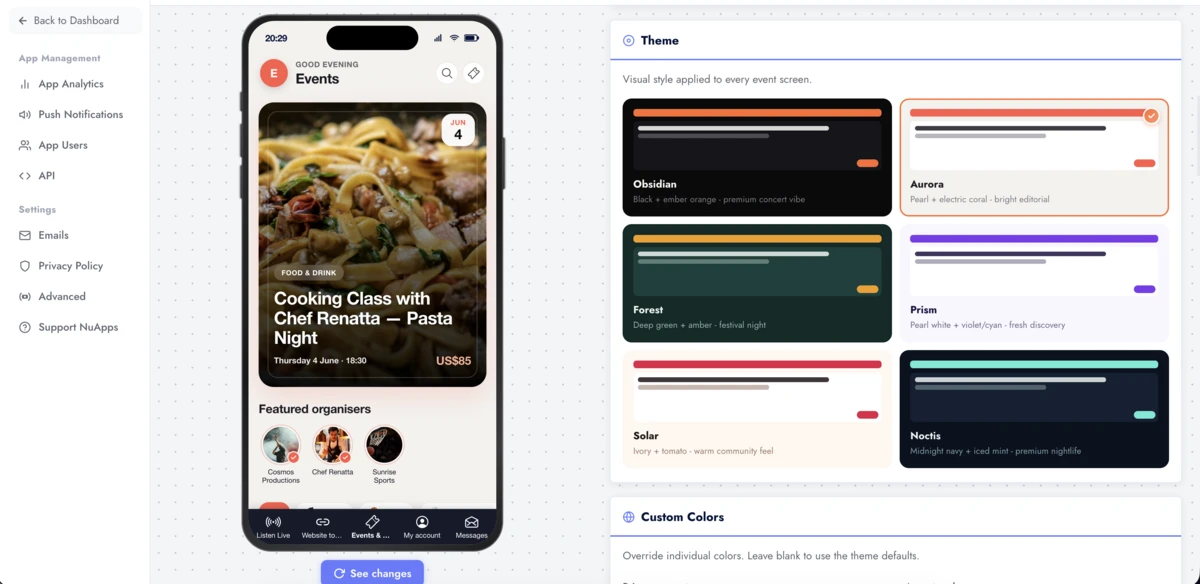
Figure 2. The four steps Swiftspeed compresses between a business description and a published app.
AI app builder alternative at a glance
The comparison below is structural rather than feature-by-feature. Most of these tools are excellent at what they target. The question is whether what they target is what you need.
| Capability | Bolt | Lovable | Replit | Emergent | v0 | Swiftspeed |
|---|---|---|---|---|---|---|
| AI generates working app | Yes | Yes | Yes | Yes | Components only | Yes |
| Native iOS / Android binary | No | No | No | No | No | Yes |
| App Store + Google Play submission | No | No | No | No | No | Managed end to end |
| Business verticals built in | No | No | No | No | No | Event, ewallet, loyalty, booking, sell-online, more |
| Push notifications | DIY web push | DIY web push | DIY | DIY | N/A | Native, segmented, scheduled |
| White-label reseller | No | No | No | No | No | From $74.50/mo for 100 apps (promo) |
| Entry price | Free + Pro tiers | Free + Pro tiers | Free + Hacker + Pro | Per their site | Free + Pro tiers | Free, then $15/mo Pro (50% off promo, sticker $30) |
When Bolt, Lovable, Replit, Emergent, or v0 is still the right call
If your destination is a web app, none of these tools are the wrong choice. If you are shipping a marketing site, a SaaS product, an internal tool, a client portal, a customer demo, or a B2B dashboard, the AI wave is producing better work faster than any other path right now. Stay there.
If your destination is a real native mobile app on the App Store and Google Play, with the user experience and platform features users expect from a native app, you need a different tool for the second half of the journey. That is the only claim this article is making.
When Swiftspeed is the AI app builder alternative you actually want
You built a prototype in Bolt or Lovable, you have real users, you need a native mobile app on both stores by end of quarter. Swiftspeed produces the binary, handles the submission, and the AI app builder writes the first pass of the configuration based on your business description. You go from prototype to published in days, not in eight weeks of mobile engineer time.
You are an agency or a reseller and your clients keep coming with prototype links and asking how to ship them as real apps. The Swiftspeed white-label reseller tier runs the entire platform under your domain, with your branding, your client backoffice, and your pricing on top. Starts at $74.50 a month for 100 client apps under your own brand during the active 50% off promo (sticker $149), with the discount forever-locked at signup. Details on the white-label reseller page.
You are a small business that needs an app with specific verticals (event ticketing, ewallet, loyalty, sell-online commerce, booking, fitness, church) and you do not want to assemble those features feature by feature with an AI code generator. Swiftspeed ships them as first-class features. You spend your time configuring and branding, not stitching together a stack.
Getting started
The fastest way to see whether Swiftspeed fits is to start a sample app on the free tier. You can publish a working Progressive Web App without paying anything and decide later whether to push to the iOS and Android stores. The pricing page shows the 50% off launch promo prices alongside the sticker, and the features page lists the full catalog including the verticals.
If you came here from a search comparing app builders generally, our deep BuildFire alternative piece covers a different competitive cluster. If you are an agency looking at the white-label tier specifically, the white-label reseller page lays out plan comparison and direct checkout. And if you are still early enough to be deciding whether you need a mobile app at all, the complete guide to creating an app in 2026 is the right starting point.